
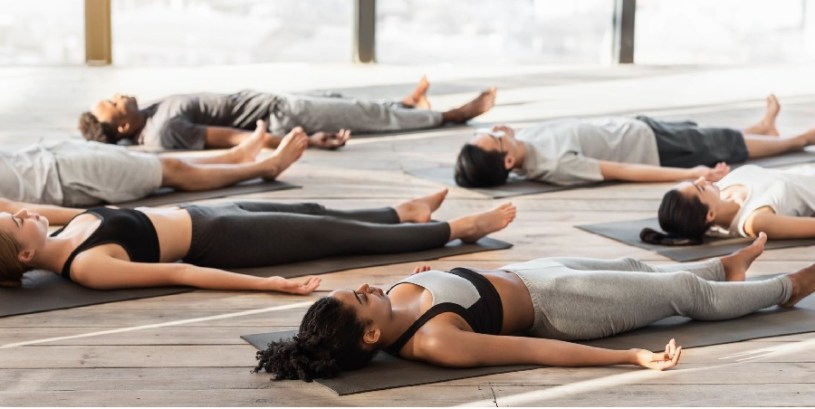
Sleep is often described as the body’s natural repair cycle, yet many adults in Singapore struggle to experience uninterrupted rest. Mild sleep fragmentation is more common than most people realise. It shows up as waking briefly throughout the night, difficulty staying asleep, or feeling alert for no clear reason at odd hours. Although these awakenings may be short, they affect the quality of deep rest the brain and body need. This is why many people seek out a yoga studio near me as a practical, sustainable way to improve their nightly sleep rhythm.
Sleep fragmentation is not the same as insomnia. Most people with fragmentation can fall asleep, but they cannot stay in a smooth cycle of restorative rest. This often results from tension stored during the day, shallow breathing, inconsistent body temperature, or mental overstimulation. Studio based yoga helps reset these internal systems, allowing the body to settle into longer, more stable sleep cycles.
Understanding What Mild Sleep Fragmentation Looks Like
Many adults do not even realise they experience fragmented sleep because the awakenings may be brief. Over time, these disruptions prevent the body from entering deeper sleep stages. These stages are essential for memory, emotional balance, cellular repair, and immune health.
Common signs of mild sleep fragmentation include:
-
Waking up multiple times for a few minutes each time
-
Feeling mentally alert at random hours of the night
-
Waking up earlier than intended
-
Light sleep that feels easily interrupted
-
Feeling unrefreshed in the morning despite sleeping for many hours
Yoga offers a natural way to improve these patterns through breath stability, muscular relaxation, and nervous system regulation.
How Yoga Helps Reset the Internal Systems That Control Sleep
Sleep quality is influenced by more than the number of hours in bed. The brain, muscles, breathing patterns, and internal body rhythms must work together. Studio based yoga creates the conditions needed for this alignment.
Yoga supports better sleep by:
-
Regulating breathing for calmer night time transitions
-
Releasing muscular tension that disrupts deep rest
-
Helping the body shift into a parasympathetic state
-
Improving circulation patterns
-
Reducing micro stress responses that cause sudden awakenings
These changes support a smoother and more consistent sleep cycle.
Why Mild Night Awakenings Are Often Linked to Hidden Tension
Many people mistake sleep fragmentation for stress, but tension stored in the body is often the true cause. Tight muscles, stiff joints, and restricted breathing can send subtle signals to the brain that interrupt sleep. These signals may not be painful, but they disturb the sense of safety and comfort required for deep rest.
Places where tension hides include:
-
Upper back
-
Neck and shoulders
-
Chest and rib cage
-
Lower back
-
Hip flexors
A well structured yoga class helps release these areas gradually, allowing the body to rest without internal disturbance.
Breath Stability and Its Role in Sleep Consistency
Breath plays a major role in sleep continuity. Irregular breathing can trigger micro awakenings even when the person is unaware. Studio guided breathwork teaches the body to maintain a smoother and more predictable rhythm throughout the day, which extends into the night.
Stable breathing helps improve sleep by:
-
Reducing sudden spikes in alertness
-
Keeping oxygen levels balanced
-
Supporting deeper relaxation
-
Calming overstimulated nerves
-
Improving comfort in side or back sleeping positions
Breath control learned in class continues to support the body long after the session ends.
Moving the Body During the Day Creates a Calmer Night
People with mild sleep fragmentation often feel physically restless at night because their body has not fully released the day’s accumulated tension. This can cause subtle discomfort that the brain interprets as a reason to wake up.
Studio based yoga provides the right balance of movement, strength, and flexibility to prepare the body for restful sleep.
Movement in yoga helps stabilise sleep by:
-
Improving circulation to extremities
-
Releasing stiffness from long hours of sitting
-
Stimulating natural fatigue in a healthy way
-
Clearing trapped tension in the muscles
-
Helping the body shift easily into rest mode later
These gentle effects support uninterrupted sleep.
How Mind Body Awareness Helps Minimise Night Disturbances
Yoga teaches people to tune in to their internal state. This awareness helps identify feelings of agitation, tension, or discomfort earlier in the day instead of allowing them to build into the night.
Studio classes improve mind body awareness by:
-
Reconnecting attention to breath
-
Encouraging slower and more intentional movement
-
Enhancing understanding of personal limits
-
Strengthening the ability to slow the mind
-
Promoting awareness of emotional triggers
This understanding helps people create a calmer environment before bedtime.
The Relationship Between Nervous System Regulation and Sleep Continuity
Sleep fragmentation is often linked to a nervous system that switches between alert and calm modes too quickly. Studio based yoga helps regulate this system by strengthening the parasympathetic response. This is the part of the nervous system responsible for rest and digestion.
Benefits of improved nervous system regulation include:
-
Longer periods of uninterrupted rest
-
Reduced night time alertness
-
Less sensitivity to small noises
-
Slower heart rate during sleep
-
Greater ease in falling back asleep after waking
This regulation is a long term benefit that grows with consistent practice.
How Evening Yoga Practices Help Prepare the Body for Rest
While yoga can be done at any time of day, many adults find evening practice especially helpful. An evening session signals the body to switch from activity mode to recovery mode. The combination of breathwork, stretching, and controlled movement sends clear relaxation cues to the brain.
Evening yoga supports sleep by:
-
Reducing mental stimulation
-
Loosening tight muscles
-
Slowing the breath
-
Lowering physical stress signals
-
Preparing the body to settle into bed more easily
This makes sleep more continuous and restorative.
Studio Environments Provide Structure and Consistency
Practising at a yoga studio offers benefits that are difficult to replicate at home. The controlled environment, expert guidance, and consistent routine help adults stay committed to improving their sleep.
Studio benefits for sleep include:
-
A predictable class schedule
-
Fewer external distractions
-
Professional guidance during breathwork
-
A calming environment that encourages slowing down
-
Routines that support long term sleep improvement
Consistency is key when trying to stabilise sleep behaviour.
Real Life Improvements Reported by Adults With Sleep Fragmentation
Many adults in Singapore notice significant changes after attending yoga classes regularly.
Common improvements include:
-
Falling asleep faster
-
Fewer night awakenings
-
Waking up feeling more refreshed
-
Better mood throughout the day
-
Reduced restlessness at night
These results come from steady breathwork, movement, and tension release.
A Studio Based Path to Better Sleep
One of the greatest strengths of studio yoga is the way it naturally retrains the body. Without forcing the mind to sleep, yoga supports the systems that allow sleep to unfold smoothly. The body learns to stay in deeper stages longer. The brain learns to remain calm throughout the night. People with mild sleep fragmentation often notice that their nightly interruptions gradually fade as their body becomes more regulated.
A supportive space such as Yoga Edition helps adults cultivate the internal balance required for peaceful and continuous sleep.
FAQs About Yoga and Mild Sleep Fragmentation
Q1. Can yoga help if I wake up several times a night but fall asleep easily?
Yes. Yoga supports breath stability and relaxation, which help reduce micro awakenings even if sleep onset is not an issue.
Q2. How soon will I notice sleep improvements after starting yoga?
Most people experience early benefits within two to four weeks of consistent studio practice.
Q3. Does yoga help with restless legs or physical agitation at night?
Yes. Movement based tension release helps the body feel more settled, which reduces restlessness.
Q4. Should I attend evening classes specifically?
Evening classes are helpful, but consistent practice at any time of day supports sleep through overall nervous system regulation.
Q5. Is yoga suitable for older adults with mild sleep disturbances?
Yes. Gentle studio yoga is safe and effective for most age groups when taught by trained instructors.
 The Real Fitness Blog