
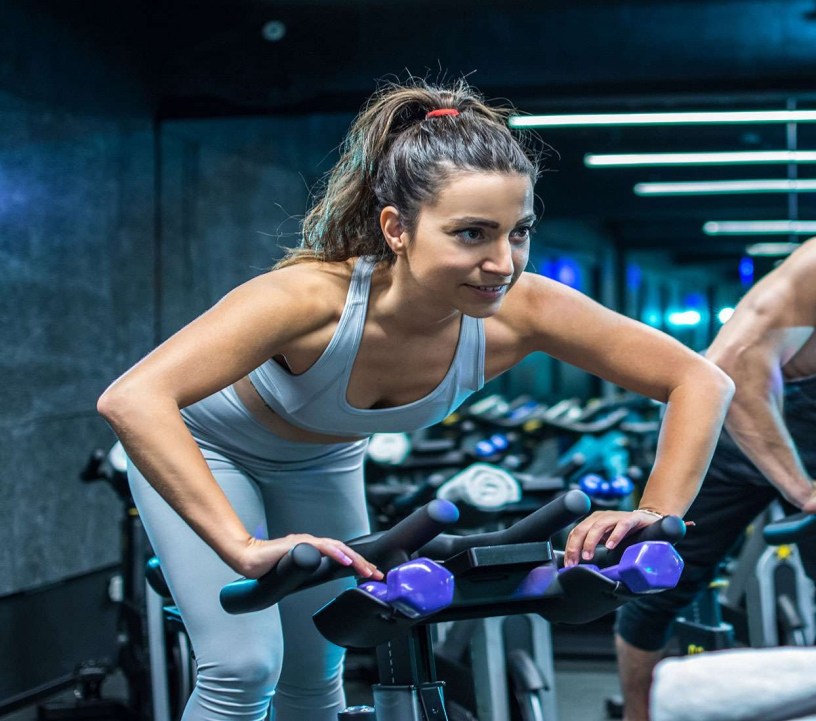
Cycling is often celebrated for physical benefits such as cardiovascular endurance, fat loss, and muscular strength. Yet a growing body of scientific research suggests that high-intensity exercise like an indoor spin class can also boost cognitive health. Neuroplasticity, the brain’s ability to adapt and form new neural connections, is directly influenced by physical activity. In the context of Singapore’s busy urban lifestyle, this connection between mind and movement provides an exciting reason to look at spin classes not just as workouts, but as tools for mental performance.
Fitness leaders including TFX are increasingly recognising the holistic value of spin classes, offering programmes that not only improve body composition but also help individuals sharpen focus, memory, and stress resilience. For professionals, students, and even older adults, indoor cycling can be a meaningful way to support long-term brain health.
Understanding Neuroplasticity
Neuroplasticity refers to the brain’s ability to reorganise itself by forming new neural pathways. This flexibility underpins how we learn, recover from injuries, and adapt to new experiences. Historically, scientists believed that the brain’s development plateaued in adulthood. Modern neuroscience has shown otherwise, revealing that adults continue to generate new neurons and restructure existing connections throughout life.
Exercise is one of the most powerful triggers of neuroplasticity. Aerobic activity, in particular, increases blood flow, releases growth factors, and enhances communication between brain cells. Spin classes, which combine rhythmic pedalling with high-intensity intervals, are a prime example of exercise that stimulates these processes.
The Role of Aerobic Exercise in Brain Health
Cardiovascular workouts are consistently linked to improvements in cognitive function. This is because they elevate heart rate, increasing oxygen delivery to the brain. Over time, this results in better circulation, reduced inflammation, and the release of key molecules such as brain-derived neurotrophic factor (BDNF).
BDNF acts as “fertiliser” for the brain, promoting the survival and growth of neurons. Higher levels of BDNF are associated with improved memory, faster learning, and protection against neurodegenerative diseases. An indoor spin class, with its mix of high-intensity intervals and steady-state rides, creates the conditions needed to boost BDNF production.
Cognitive Benefits of Spin Training
Enhanced Memory and Learning
Research indicates that aerobic exercise improves the hippocampus, a brain region critical for memory formation. For students in Singapore, balancing academic demands with spin classes may translate into sharper recall and improved learning efficiency.
Better Focus and Attention
Spin requires synchronisation between cadence, resistance, and rhythm. This coordination trains the brain to focus on multiple variables at once, strengthening attention span and multitasking skills.
Stress Reduction and Emotional Balance
High-intensity cycling stimulates the release of endorphins, serotonin, and dopamine. These chemicals regulate mood, reducing stress and supporting mental resilience. For working adults navigating long office hours, spin classes act as a mental reset button.
Slowing Age-Related Decline
Studies suggest regular aerobic training slows the shrinkage of brain volume associated with ageing. This has implications for older adults who use spin classes as a safe, low-impact activity to maintain both physical and cognitive vitality.
Music, Rhythm, and Brain Synchronisation
One unique aspect of spin is the use of music-driven workouts. Pedalling to a beat engages auditory and motor regions simultaneously, promoting synchronisation between different brain networks. This rhythm-based training is linked to better motor learning, coordination, and even language acquisition.
Music also influences emotional processing. Uplifting beats not only motivate riders but also activate brain regions tied to reward and memory. The combination of rhythm, movement, and effort makes indoor spin classes uniquely powerful compared to other forms of exercise.
Neuroplasticity and Habit Formation
Beyond immediate brain chemistry, spin classes also influence long-term behavioural patterns. Repeated participation helps solidify exercise habits, which in turn reinforce consistent exposure to neuroplasticity-promoting stimuli. In simple terms, the more often you join classes, the more your brain adapts to expect and reward physical activity.
This cycle of behaviour and reward is vital for building sustainable fitness routines. In Singapore, where demanding schedules often discourage consistency, the group dynamic of spin classes adds accountability that further supports habit formation.
Application for Professionals and Students
For Professionals
Cognitive sharpness is essential in fast-paced industries. Regular spin training can improve reaction times, decision-making, and stress management, all of which are critical for workplace performance.
For Students
Memory and focus directly affect academic success. A spin class provides mental stimulation beyond textbooks, improving brain function in ways that aid revision and examination preparation.
For Seniors
Neuroplasticity is not exclusive to younger adults. Spin classes tailored for seniors support memory retention, coordination, and mood stability, helping maintain quality of life.
Supporting Research Evidence
-
A Harvard Medical School report highlighted aerobic exercise as a top lifestyle choice for protecting brain health.
-
Studies in the Journal of Cognitive Neuroscience link regular aerobic activity to improved hippocampal function.
-
Research from Frontiers in Psychology shows that rhythm-based movement enhances neuroplasticity more than non-rhythmic exercise.
These findings align with what many spin enthusiasts already experience: improved focus, sharper memory, and better mood after consistent participation.
FAQs About Neuroplasticity and Indoor Spin Class
Q. Can spin classes really improve learning ability?
Yes. By boosting BDNF and blood circulation, spin enhances hippocampal activity, which supports faster learning and memory consolidation.
Q. Is there an ideal frequency for brain benefits?
Three to four sessions per week appear optimal for sustaining neuroplasticity benefits, though even two classes can make a measurable difference.
Q. Are older adults able to gain cognitive improvements from spin?
Absolutely. Studies show aerobic training benefits neuroplasticity across all ages. Seniors often report sharper thinking and improved mood with consistent participation.
Q. Does music make a difference in brain benefits?
Yes. Rhythmic cycling combined with music engages multiple brain networks, strengthening coordination and enhancing motivation.
Q. Can spin classes replace other brain-boosting activities like puzzles or reading?
Not entirely. Spin supports brain health biologically, while puzzles and reading stimulate cognition directly. A combination of physical and mental exercises is ideal.
Final Thoughts
An indoor spin class offers much more than a cardiovascular workout. By stimulating neuroplasticity, it strengthens memory, improves focus, and supports long-term cognitive health. For Singaporeans juggling demanding schedules, spin represents a convenient way to keep both body and mind sharp. Whether you are a student seeking better recall, a professional aiming for sharper focus, or a senior maintaining brain health, spin classes provide evidence-backed benefits that extend well beyond the saddle.
 The Real Fitness Blog