
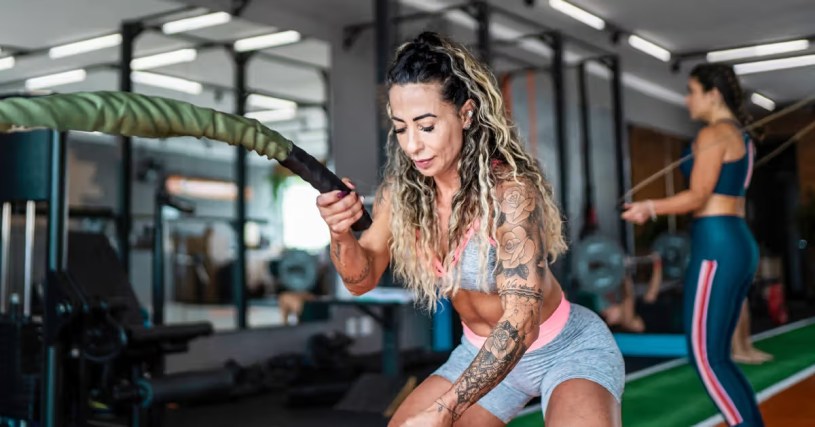
You can train as hard as you like, but without proper nutrition, the results of fitness hiit training will always be limited. Food is not just fuel for daily living, it is the foundation of performance, recovery, and long-term progress. When your body is pushed to near maximum intensity during HIIT, it requires precise fuelling before, during, and after sessions to maintain energy levels and support recovery.
In Singapore, where food culture is vibrant and meals are often social, understanding how to balance indulgence with functional nutrition is key. Whether you are training in structured group classes at True Fitness Singapore or following personal HIIT routines, adopting a smart nutrition strategy ensures every session counts.
Why Nutrition Matters in HIIT
HIIT challenges both aerobic and anaerobic systems, demanding quick energy bursts followed by recovery. Without the right fuel, the body struggles to perform effectively, and fatigue sets in quickly. Nutrition supports HIIT by:
-
Providing energy for intense intervals.
-
Supporting muscle repair and growth.
-
Regulating blood sugar for consistent performance.
-
Enhancing recovery by reducing inflammation.
-
Preventing burnout by restoring energy stores.
Pre-Workout Nutrition: Preparing for Peak Performance
What you eat before a HIIT session determines how much energy you have to sustain high-intensity intervals.
Timing Matters
-
Eat a balanced meal 2–3 hours before training.
-
If short on time, have a small snack 30–60 minutes before.
What to Include
-
Carbohydrates: Primary fuel for quick bursts of energy. Examples: wholegrain bread, oats, bananas, sweet potatoes.
-
Protein: Helps stabilise blood sugar and primes muscles. Examples: Greek yoghurt, eggs, lean chicken.
-
Fluids: Hydration is critical. Dehydration reduces cardiovascular efficiency.
Singapore-Friendly Options
-
Brown rice with grilled chicken and vegetables.
-
Kaya toast with boiled eggs for a lighter snack.
-
Banana smoothie with milk and oats.
Nutrition During HIIT: Do You Need It?
Most HIIT sessions last 20–40 minutes, meaning additional fuelling during the workout is rarely required. However, hydration is always essential. For longer sessions or when training in hot Singapore weather, sports drinks with electrolytes may help maintain fluid balance.
Post-Workout Nutrition: The Recovery Window
Recovery begins the moment the workout ends. Nutrition plays a central role in restoring energy and rebuilding muscles.
The 30–60 Minute Window
This period is the most effective time to replenish glycogen stores and kick-start muscle repair.
What to Include
-
Carbohydrates: Restore energy reserves depleted during HIIT. Examples: rice, pasta, fruits.
-
Protein: Essential for muscle repair and recovery. Examples: chicken, fish, tofu, or protein shakes.
-
Healthy fats: Support hormone balance. Examples: avocado, nuts, olive oil.
Practical Singapore Examples
-
Grilled salmon with rice and vegetables.
-
Chicken noodle soup with a side of fruit.
-
Protein smoothie with mango and almond milk.
Hydration and Electrolytes
Singapore’s hot and humid climate increases sweat loss during HIIT. Proper hydration strategies include:
-
Drinking water throughout the day, not just before workouts.
-
Replacing electrolytes (sodium, potassium, magnesium) lost in sweat.
-
Using coconut water or electrolyte drinks when training outdoors or during longer sessions.
Supplements That Support HIIT Nutrition
While whole foods should be the priority, certain supplements can enhance HIIT performance and recovery:
-
Whey protein: Fast-digesting protein for post-workout recovery.
-
Creatine: Improves explosive energy for short bursts of HIIT.
-
BCAAs: Reduce muscle breakdown during intense sessions.
-
Omega-3 fatty acids: Reduce inflammation and support joint health.
-
Multivitamins: Cover nutritional gaps from busy lifestyles.
Balancing Local Food Culture with HIIT Goals
Singapore’s hawker culture offers plenty of tasty options, but they are often high in oil, sugar, or sodium. You do not need to avoid local favourites altogether, but moderation and smarter choices are key. For example:
-
Choose grilled chicken rice instead of fried chicken rice.
-
Opt for fish soup with rice rather than laksa.
-
Pick fresh fruit juices without added sugar.
By making small adjustments, you can enjoy Singapore’s food culture without compromising fitness goals.
Nutrition for Different HIIT Goals
Not every HIIT participant has the same objective. Nutrition must be tailored accordingly.
For Weight Loss
-
Maintain a slight calorie deficit.
-
Prioritise lean proteins and high-fibre carbs.
-
Reduce processed sugar and fried foods.
For Muscle Gain
-
Consume a calorie surplus with quality proteins and carbs.
-
Increase post-workout protein intake to support growth.
-
Include healthy fats for hormone regulation.
For General Fitness and Longevity
-
Focus on balance and variety.
-
Eat colourful fruits and vegetables for antioxidants.
-
Stay hydrated consistently.
Common Nutrition Mistakes in HIIT
-
Training on an empty stomach: Can reduce performance and lead to dizziness.
-
Overeating after HIIT: Using workouts as an excuse for indulgence cancels progress.
-
Neglecting hydration: Even mild dehydration reduces energy levels.
-
Relying only on supplements: Whole foods should remain the core of your diet.
Real-Life Example: A Busy Singaporean’s Nutrition Plan
Consider a 35-year-old professional in Singapore who trains in HIIT three times a week. A typical day may look like this:
-
Pre-workout: A banana with a small protein shake.
-
During: Sips of water between intervals.
-
Post-workout: Grilled chicken with brown rice and vegetables.
-
Throughout the day: Hydration with plain water and coconut water in the afternoon.
This balanced approach ensures sustainable progress without excessive complexity.
Long-Term Benefits of Proper Nutrition in HIIT
When paired with smart nutrition, HIIT delivers benefits that go beyond short-term results:
-
Faster recovery between sessions.
-
Greater strength and endurance.
-
Improved immunity and reduced illness.
-
Sustainable weight management.
-
Enhanced overall energy for work and family life.
Nutrition ensures that HIIT is not just about burning calories but about building a body that thrives in all areas of life.
FAQs About Nutrition and HIIT
Q. Should I eat before an early morning HIIT session?
A. A light snack such as a banana, yoghurt, or toast with peanut butter can provide quick energy without feeling heavy.
Q. Is fasting before HIIT effective for fat loss?
A. While some practise fasted training, it can reduce performance. Beginners should fuel lightly before HIIT for safer and more effective results.
Q. Do I need protein shakes after every HIIT session?
A. Not necessarily. Whole food options like chicken, eggs, or tofu provide adequate protein. Shakes are useful for convenience.
Q. How much water should I drink around HIIT workouts?
A. Aim for at least 500ml before the workout and another 500ml after. Adjust based on sweat levels, especially in Singapore’s climate.
Q. Can local hawker meals fit into a HIIT-friendly diet?
A. Yes, with smart choices. Opt for grilled, steamed, or soup-based options and balance them with fruits and vegetables throughout the day.
 The Real Fitness Blog